



This morning I spent an hour walking downtown with my camera.
I was born here. Raised here. Left. And came back, three decades later. The Cleveland I photographed today is not the city I grew up in — and standing on Euclid Avenue in the early light, the chandelier glowing over Playhouse Square and the skyline stacked up behind it, I felt the distance between those two cities in a way no data set has ever shown me.
A city doesn’t turn its fortunes around by accident.
The Lens I Can’t Switch Off
I have spent the last thirty years watching cities reinvent themselves.
Boston, where I built my first firm. New York, where I work to this day. Two of the most expensive, most scrutinized real estate markets in the country — and I had a front-row seat to how they converted their bones. Office buildings becoming homes. Waterfronts that turned from working liabilities into the most valuable blocks in the city. Neighborhoods written off for a generation becoming the ones everyone wanted.
When you watch that happen up close for thirty years, you stop seeing it as luck. You start seeing the machinery. The patterns repeat — not with the same players or the same headlines, but the underlying dynamics show up again and again if you know what to look for.
So this morning I wasn’t only looking at my hometown. I was reading Cleveland through Boston and New York. And what I saw was the same machinery, running here, now.
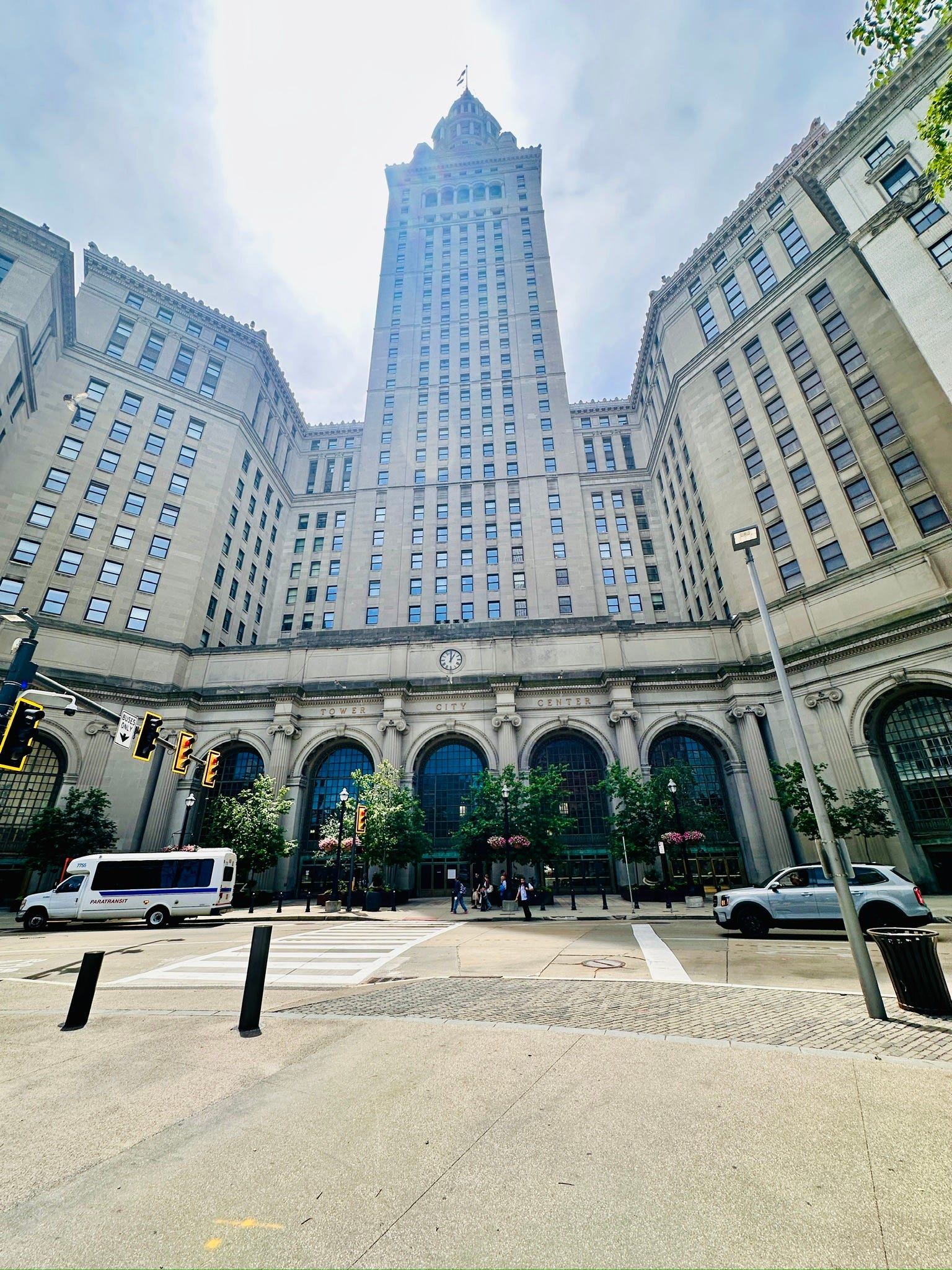
The Terminal Tower still anchors the skyline, the way it did when I was a girl. But the life inside these buildings is new.
What I Saw
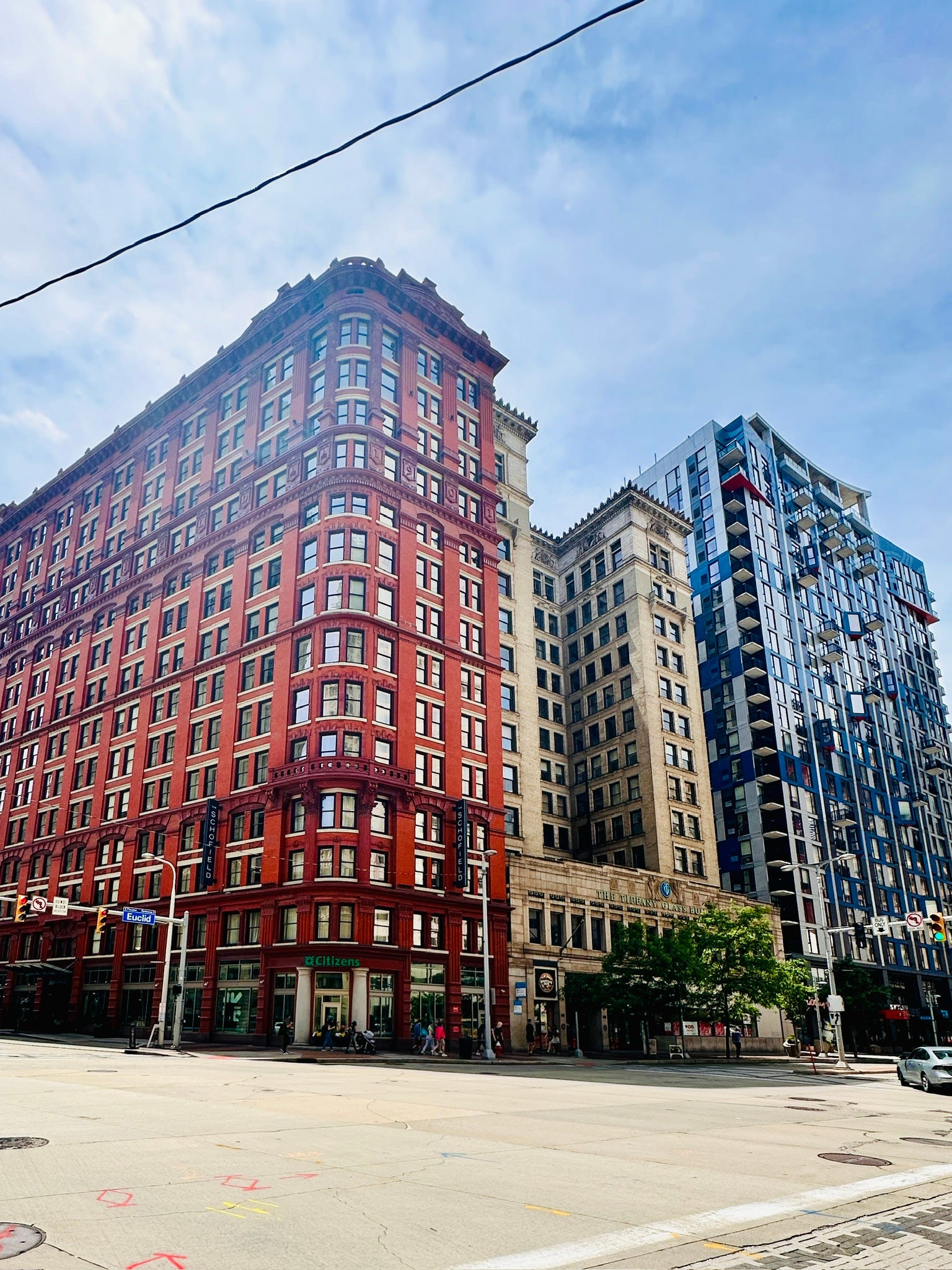
The downtown conversions get the headlines — empty office towers becoming apartments, the kind of adaptive reuse I watched reshape Boston and New York a cycle ago.
But the more consequential story is east of downtown, in the corridor my team has been tracking all year. Capital is finally flowing into neighborhoods that waited a long time for it — and the thing that makes me lean in is how it’s arriving. Not speculation chasing a fixed pool of renters, but jobs, infrastructure, and institutional anchors arriving alongside the housing. Hospitals don’t work remotely. That’s the kind of demand that holds through a cycle.
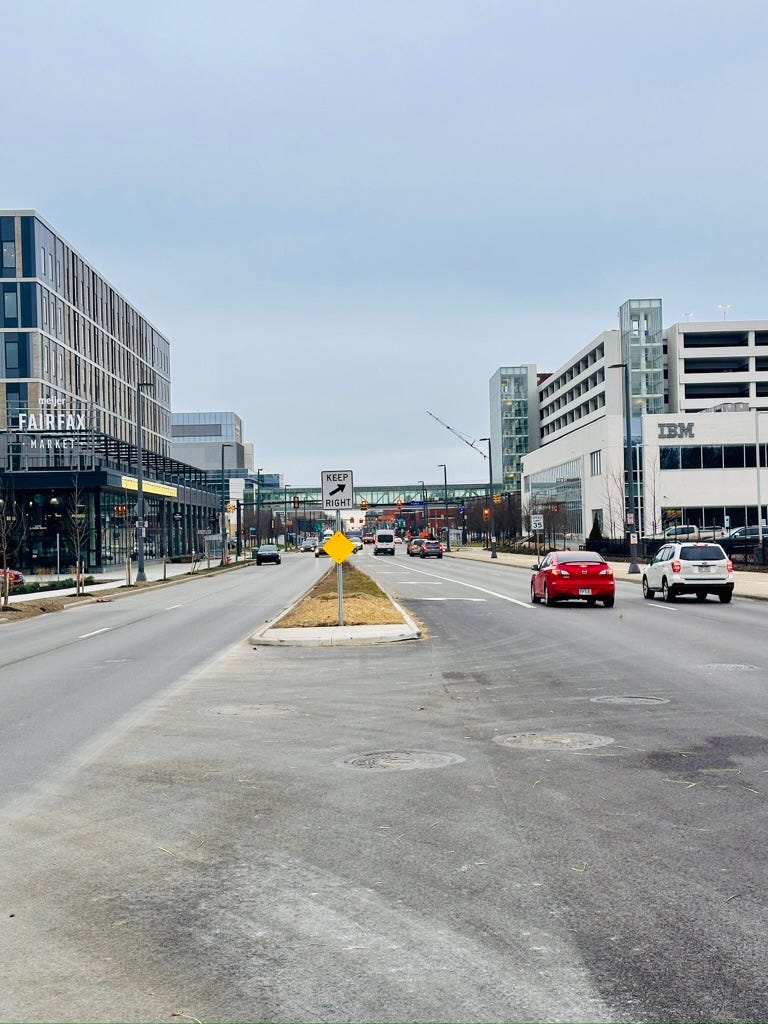
This is the difference I learned to look for the hard way. Supply that arrives on its own competes and pressures rents. Supply that arrives with demand attached expands the market faster than it fills it. Cleveland’s East Side investment is deliberately the second kind.
Why It Matters
Here is the lesson underneath all of it — the one this publication keeps coming back to.
A metro can be booming or busting overall. But at the submarket level, it’s a different story entirely. You cross a street and you’re in a different world: different ZIP code, different price point, different demand drivers, different lives. In Cleveland right now, one neighborhood grew rents eleven percent last year while the neighborhood that shares its name fell. The metro average — a tidy 3% — describes neither.
That spread is the whole game. And it’s exactly what our latest MarketRent™ analysis maps, submarket by submarket: One Metro, Sixteen Markets. Tomorrow, Map & Parcel™ continues its Conversion series with office and Cleveland — the adaptive-reuse thread running through everything I photographed this morning.
The data tells you what is happening. The boots on the ground tell you why — and whether it’s likely to continue. Both matter. Neither is sufficient alone.
Home. Again.
There is something particular about doing this work in the city that made you.
I have analyzed housing markets from Boston to the Big Island, from Manhattan rooftops to rural Montana. But walking these specific streets — the ones I knew before I knew anything about cap rates or absorption or submarket spread — collapses the professional and the personal into a single view.
Cleveland gave me my start as a person. Thirty years later, I get to read its comeback with everything those thirty years taught me.
Grateful to call this city home. Again.
If you’re a property owner — multifamily (affordable or conventional), land, or underutilized assets — weighing a sale, testing the market, or just wondering whether your submarket is a tailwind or a headwind, I welcome the conversation. That’s the work we do at Clarendon Property Advisors: valuation, disposition, and strategy built on submarket-level analysis.
— Eve
Eve Moss is the Founder and Managing Principal of Clarendon, a commercial real estate firm specializing in housing markets nationwide. With 30+ years of experience, she operates from New York, Boston, and Cleveland, serving agencies, property owners and policymakers.
For inquiries about market analysis, valuation, brokerage services, or strategic advisory, contact eve.moss@clarendon.com or visit clarendon.com.