


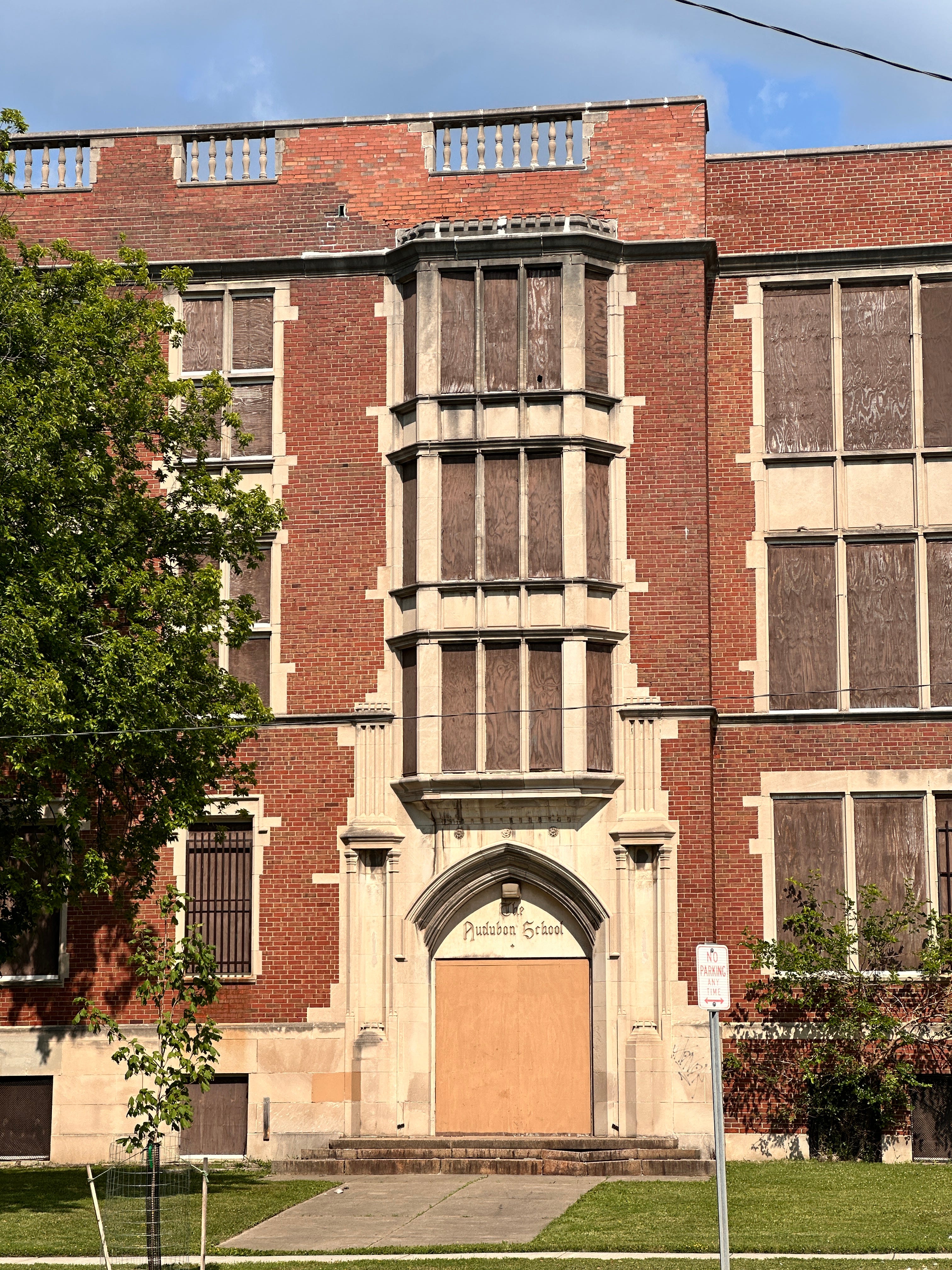
The name of the school is carved over the door, in the stone, where they used to put names so they’d outlast the people who chose them. The school is closed. And once you start looking, you find the same thing in city after city: the carved name, the locked door, the scaffolding, the leasing sign. It is not an isolated thing. Converting closed public schools into apartments was the fastest-growing kind of building conversion in the country last year — the number of school-to-housing units roughly quadrupled in a single year.
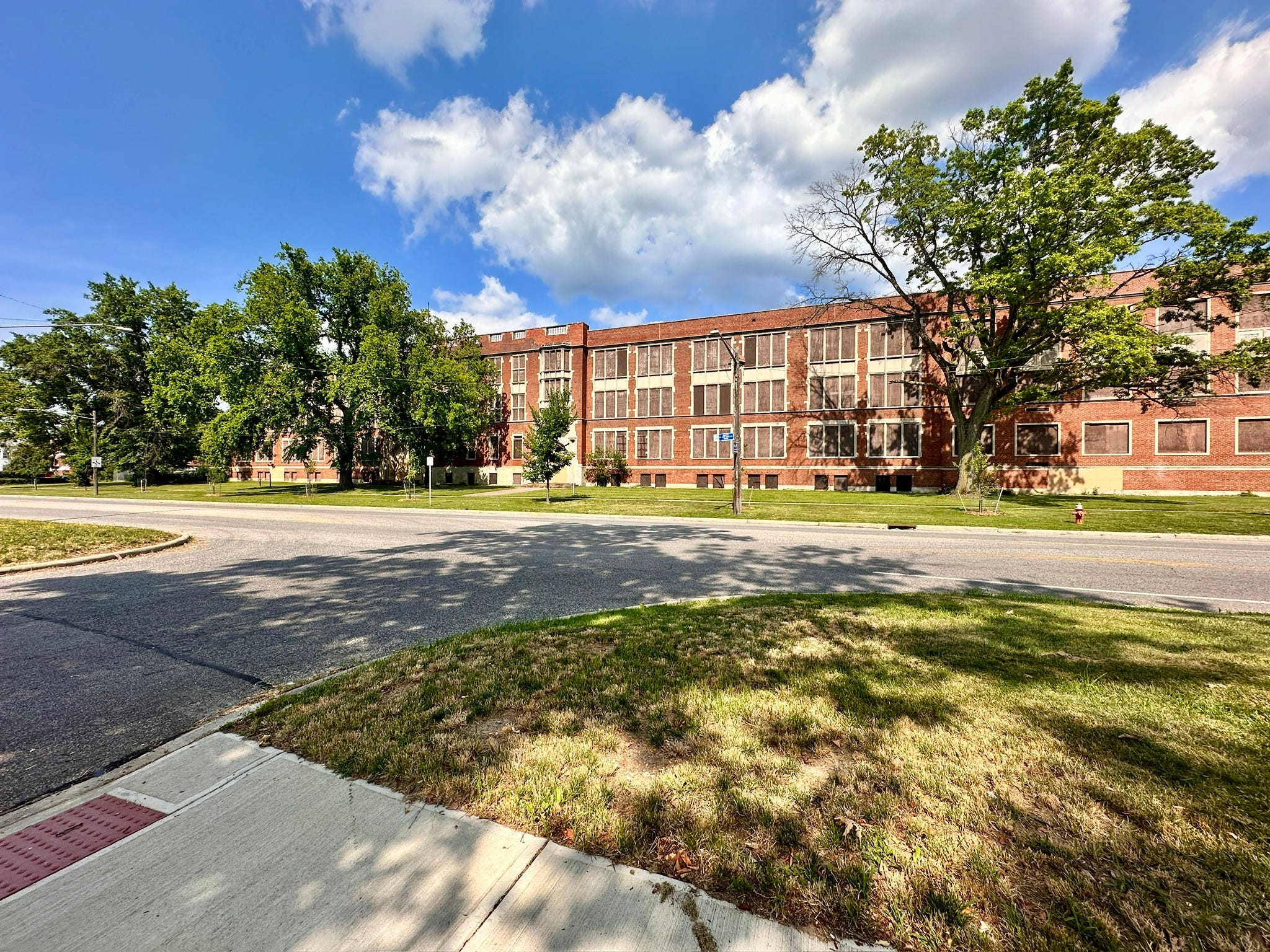
Not closed because anything failed. Because the children left. Fewer babies born in these neighborhoods than a generation ago. Families with children priced out toward where the houses are cheaper. The neighborhoods didn’t empty — many were getting wealthier at exactly the moment they were losing children — they just stopped producing the one thing a school needs. Enrollment fell below the line that keeps a building open, and the district did the math and closed the doors.
Then each one sat. Then a developer ran a different math: a solid building, good bones, high ceilings, the big windows that schools always had, a neighborhood on the way up. Apartments now. The classrooms are units. The auditorium is amenity space. The gym, if it had a good floor, is a selling point.
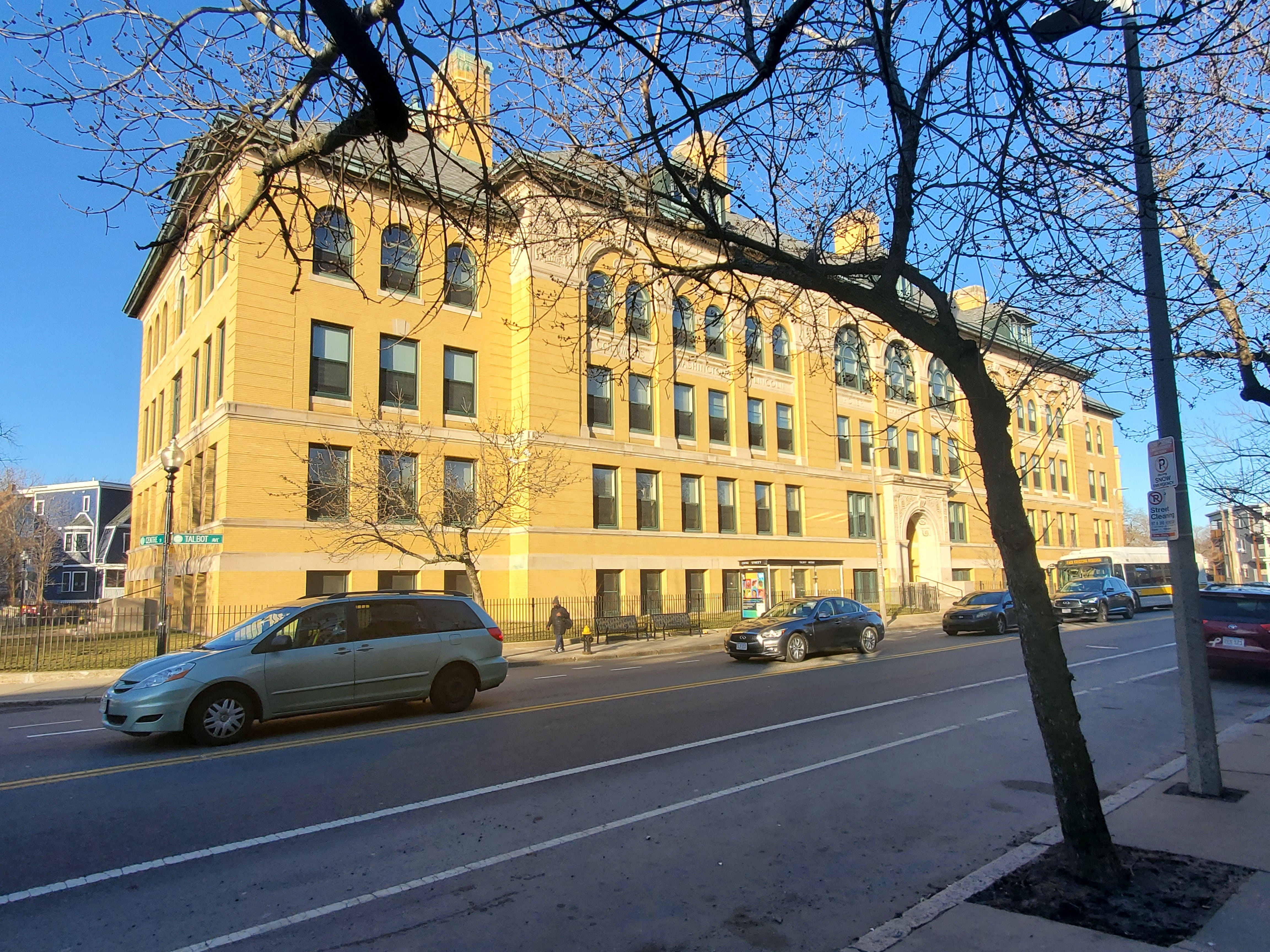
What makes the school different from the other buildings in this series is the engine. A factory empties when the technology of making things moves on. An office empties when the work moves into laptops. A church empties when the service moves to a screen. The school empties when the people move — when a neighborhood stops producing children. It is the one conversion in the set driven not by technology but by demography, and that makes it the hardest to read: a closing school can mean a neighborhood is dying or a neighborhood is gentrifying, and from the building alone you can’t always tell which. The same closed school can be a symptom of a place that’s losing and a place that’s winning at the very same time.
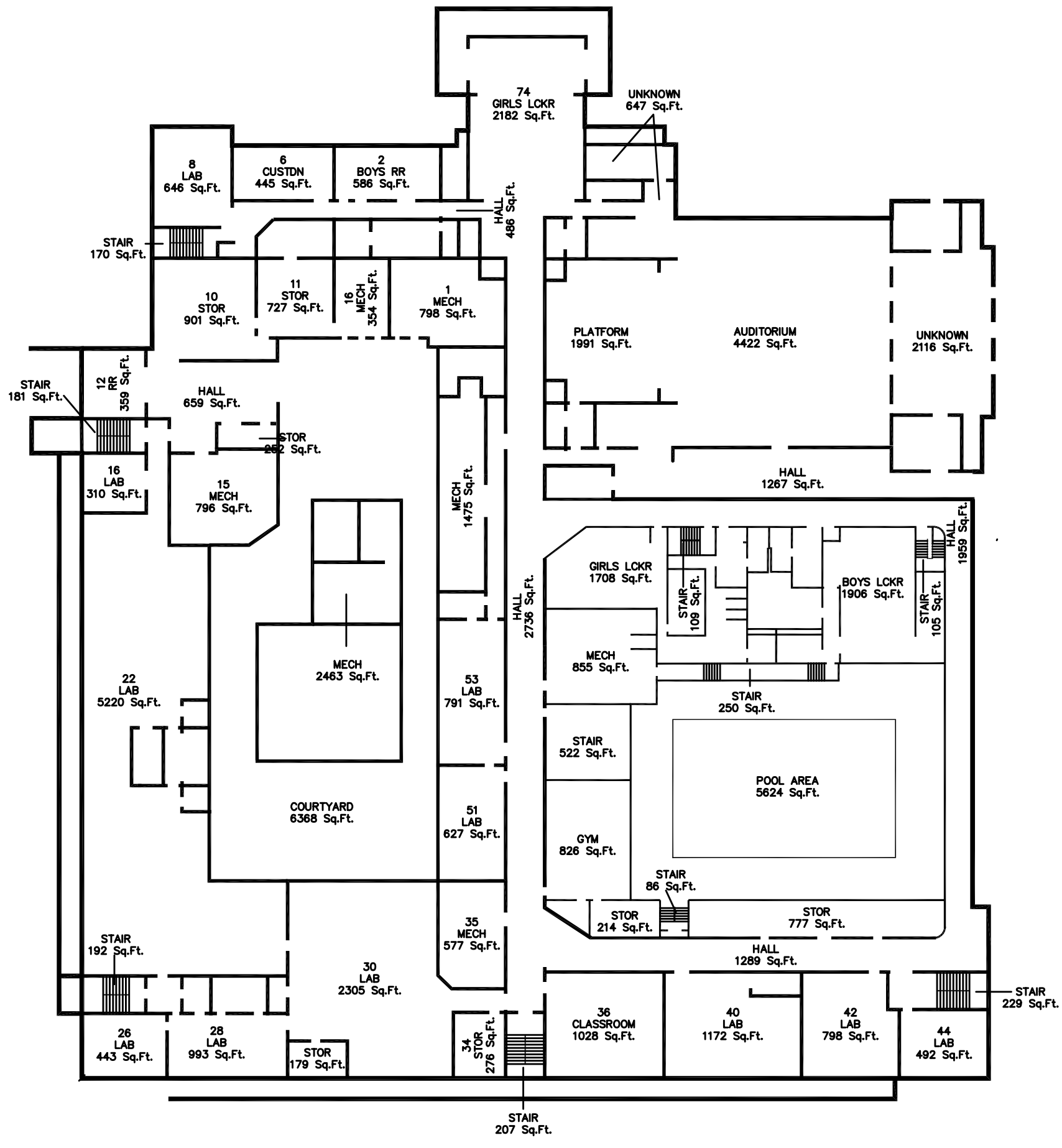
How fast can it happen? In one city this year, the list of schools offered for redevelopment included two that had been built in 2006 and 2009 — obsolete and emptied less than twenty years after they opened. Not because anything was wrong with the buildings. Because, in less than a generation, the children stopped coming.
One of the schools on these lists, I went to. I know what that building sounded like at eight in the morning, full. None of that is on the deed. The deed records the square footage, the parcel, the transfer; it has no field for the sound of a hallway. That is the whole problem this series is about — the paper keeps a faithful record of everything except what the place was for.
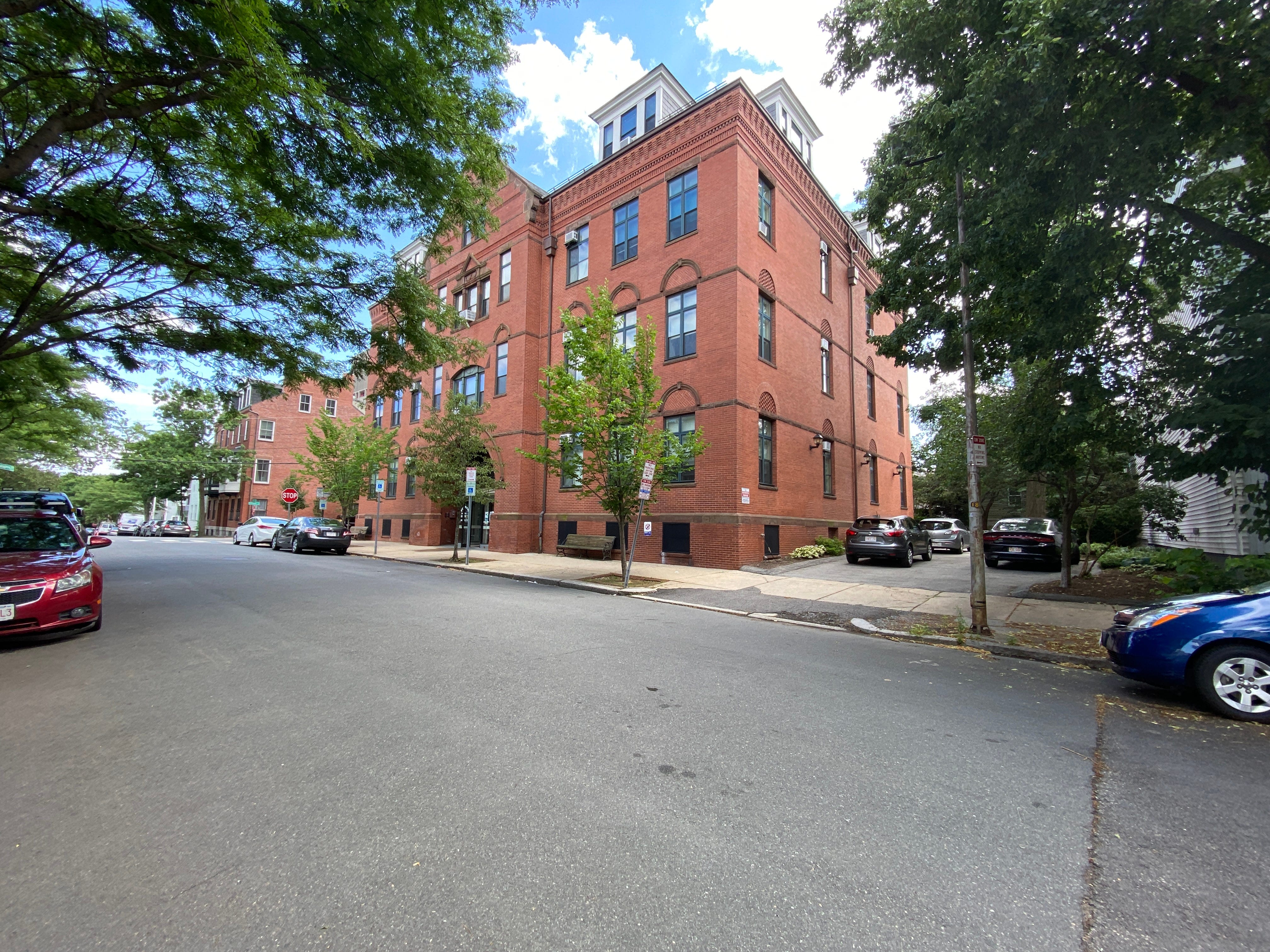
The lintel still says school. The deed says otherwise.
One of this month’s conversions — what empties a building, and what fills it. The others, and the essay that ties them together, follow through the month.
— Eve Moss
Map & Parcel. Field Notes. June 2026.
Downtown Cleveland, Ohio

The coasts think office-to-housing conversion is new. Cleveland has done it for fifty years.
The Same Building Keeps Converting

A cotton mill, a loft block, a leather warehouse, a research lab — different cities, one
Map & Parcel™ is a publication of Chavah Media Ltd. This essay is editorial and for general interest only; it does not constitute legal, financial, or investment advice.
© 2026 Chavah Media Ltd. | Map & Parcel™. All rights reserved.