


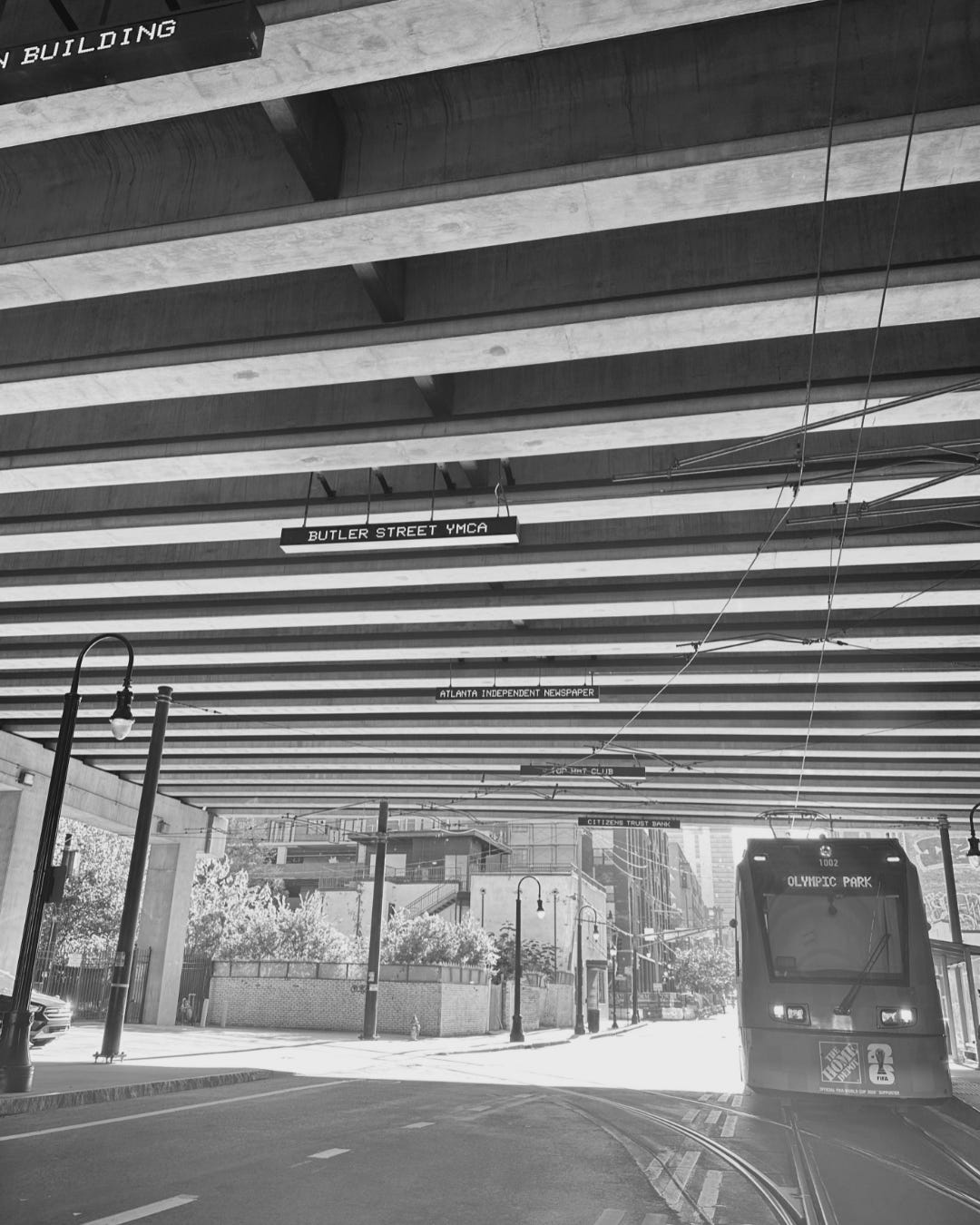
John Wesley Dobbs named this street, and he was precise about why he called it sweet. Not only the money that circulated here - and money did circulate; shut out of white credit, the community built its own banks and insurers, and Fortune, in 1957, called Auburn Avenue the richest Negro street in the world. But Dobbs named something else too: the location. Sweet Auburn sat adjacent to the white business district, he said, “not across the tracks.” The value was the nearness to downtown.
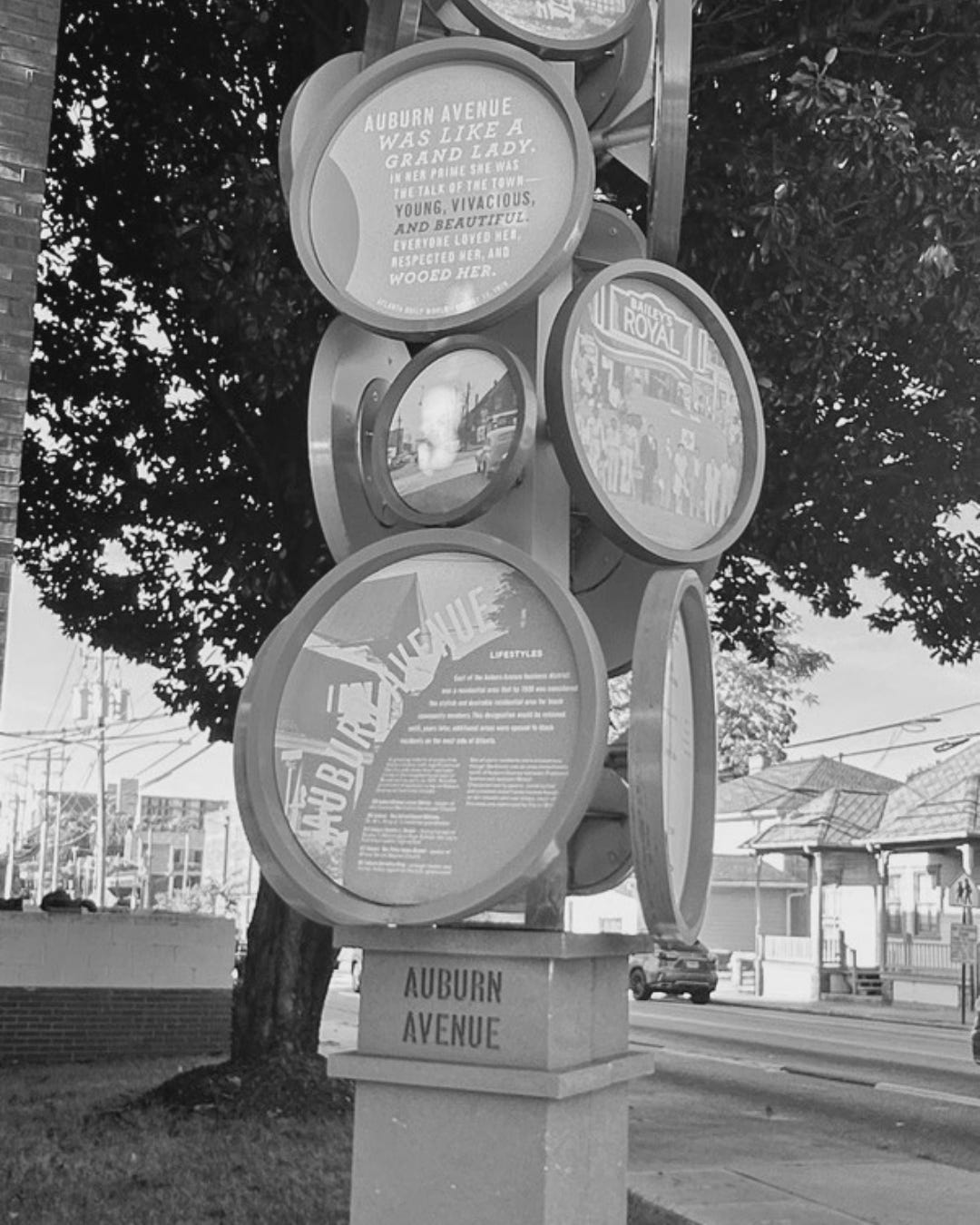
There is a public marker on the avenue now that speaks of the street the way you speak of the dead. Auburn Avenue, it says, quoting the old Black press, was like a grand lady - in her prime, young, vivacious, beautiful; everyone loved her, respected her, wooed her. Past tense, all of it. Hold onto the reason she was wooed, because it is exactly what came for the street.
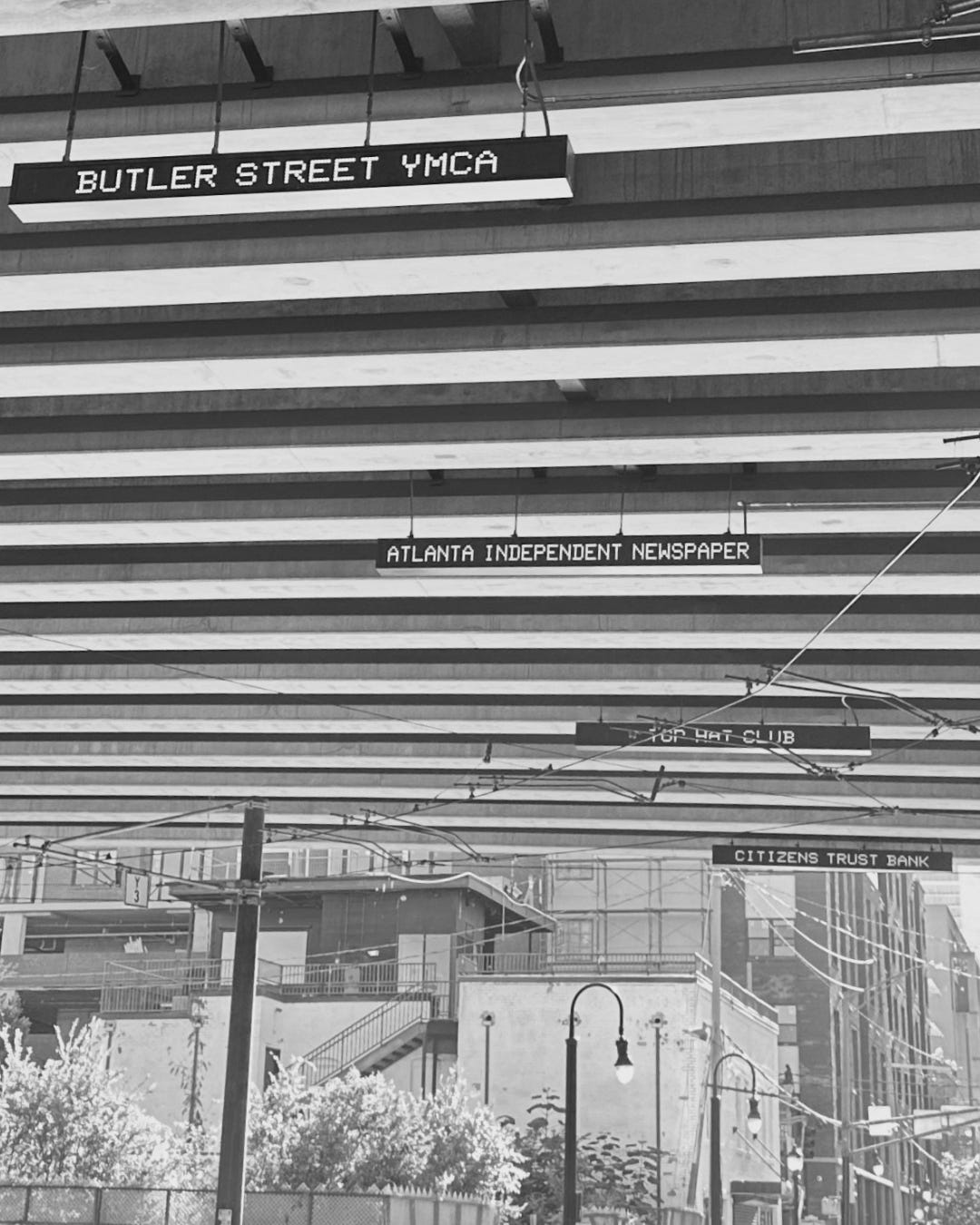
In 1958 the state began cutting the Downtown Connector through Sweet Auburn. The first route would have taken Atlanta Life and Citizens Trust themselves - the community’s own banks. Neighbors fought and shifted the road a few blocks east; they saved the institutions and lost the surrounding blocks instead. The highway ran past the street without a single exit onto Auburn Avenue. Today the names of what stood here hang as commemorative signs on the underside of the overpass - Herndon, Citizens Trust, the Butler Street Y - bolted to the thing that took them.
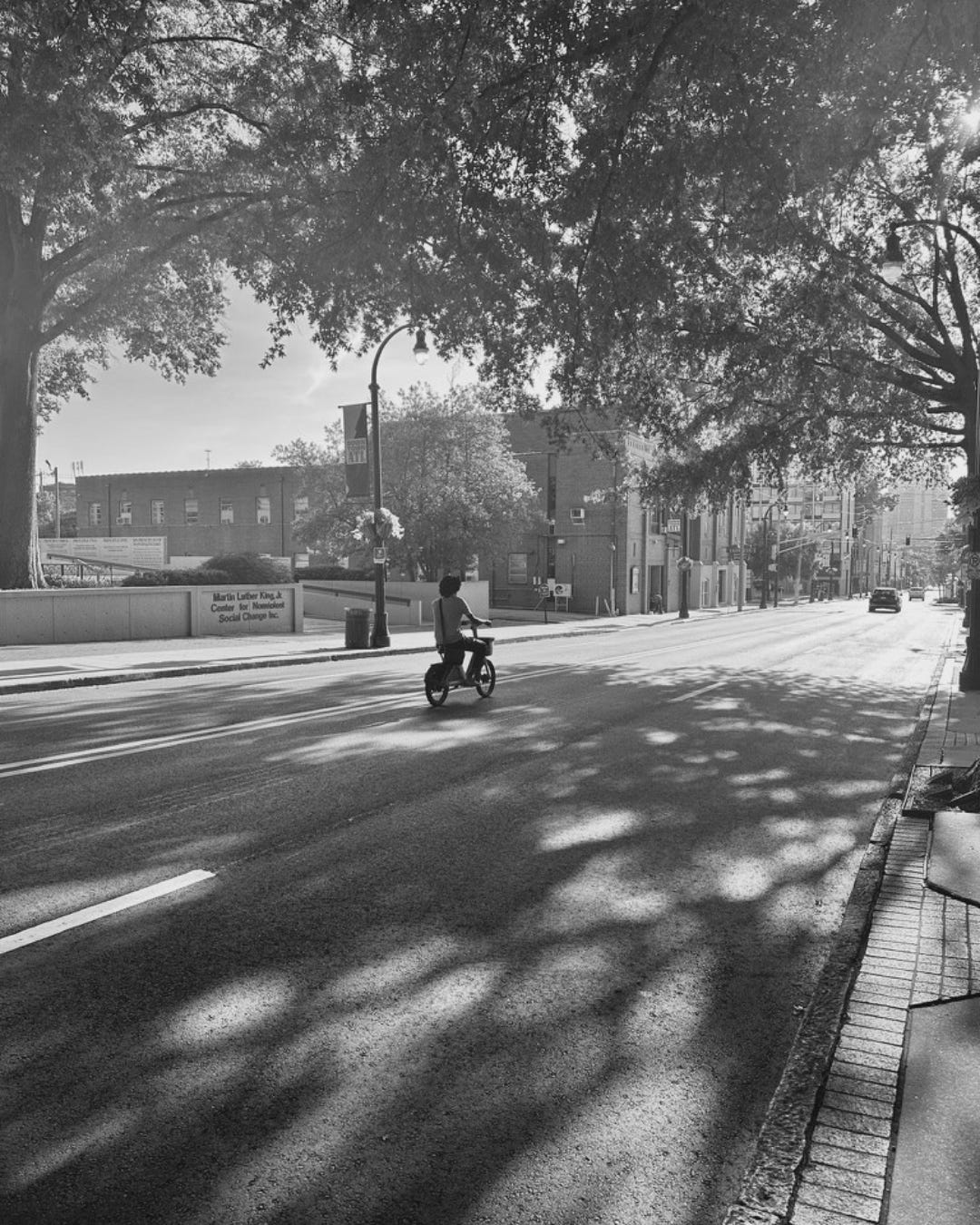
The land was never not valuable. That is the part worth sitting with, as someone paid to know what moves a property’s value. The same nearness to downtown that made the land worth taking makes it worth having now - and the neighborhood is coming back, in pieces, on the strength of the name. The history, the King association, the phrase itself - these are what make the street fundable again, the reason there are grants to apply for and a plan to draw.
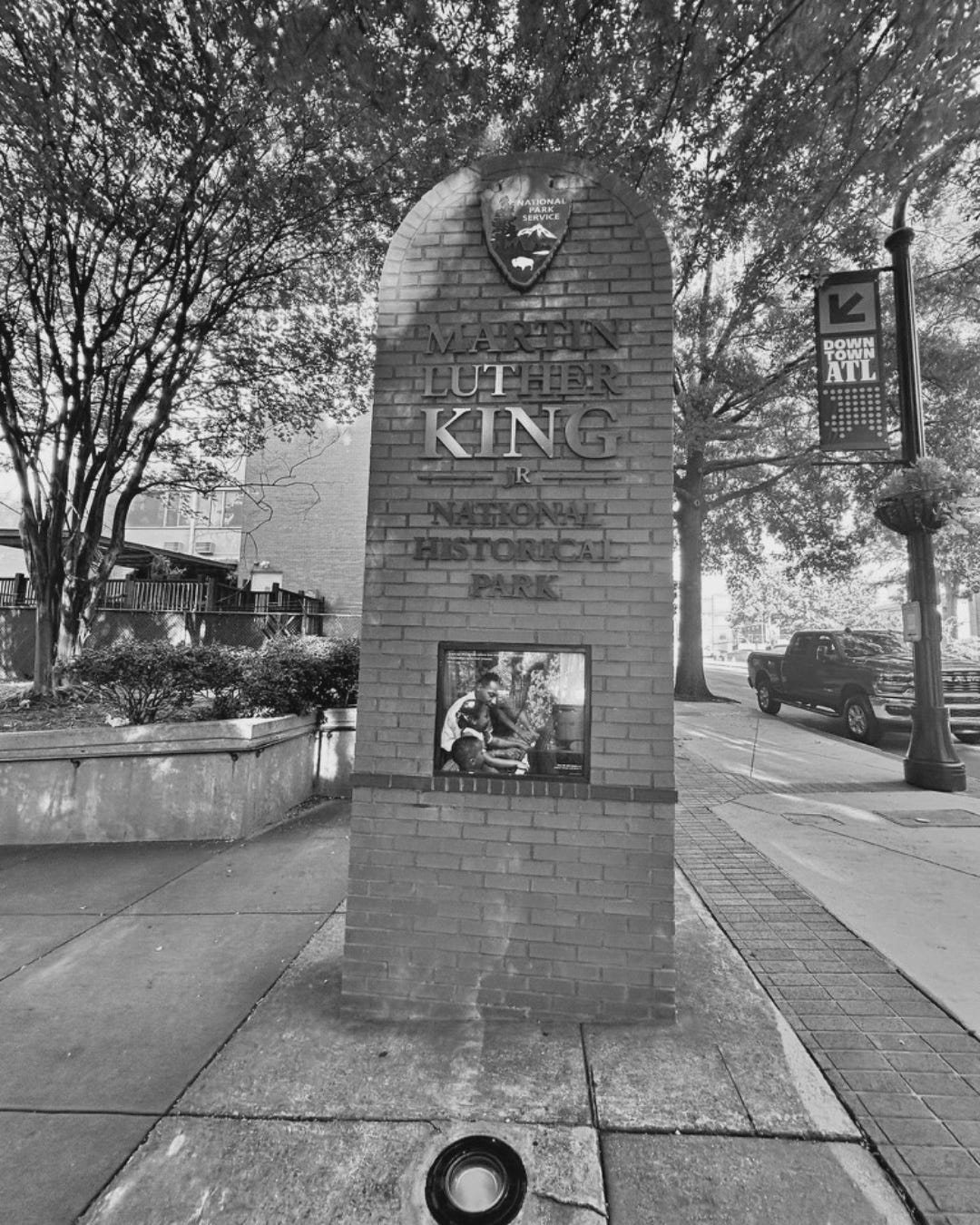
So the name Dobbs gave the street to hold it has become the instrument that makes the street worth taking a second time. It held. Whether it holds the place, or only the price of the place, is the deed still being written.
One of this month’s names: what a neighborhood is called, and who got to decide. The others, and the essay that ties them together, follow through the month.
— Eve Moss
Map & Parcel. Field Notes. August 2026.


Map & Parcel™ is a publication of Chavah Media Ltd. This essay is editorial and for general interest only; it does not constitute legal, financial, or investment advice.
© 2026 Chavah Media Ltd. | Map & Parcel™. All rights reserved.